Explore the past in 3D. See it on site in AR.
A few places to begin. More reconstructions are on the way.
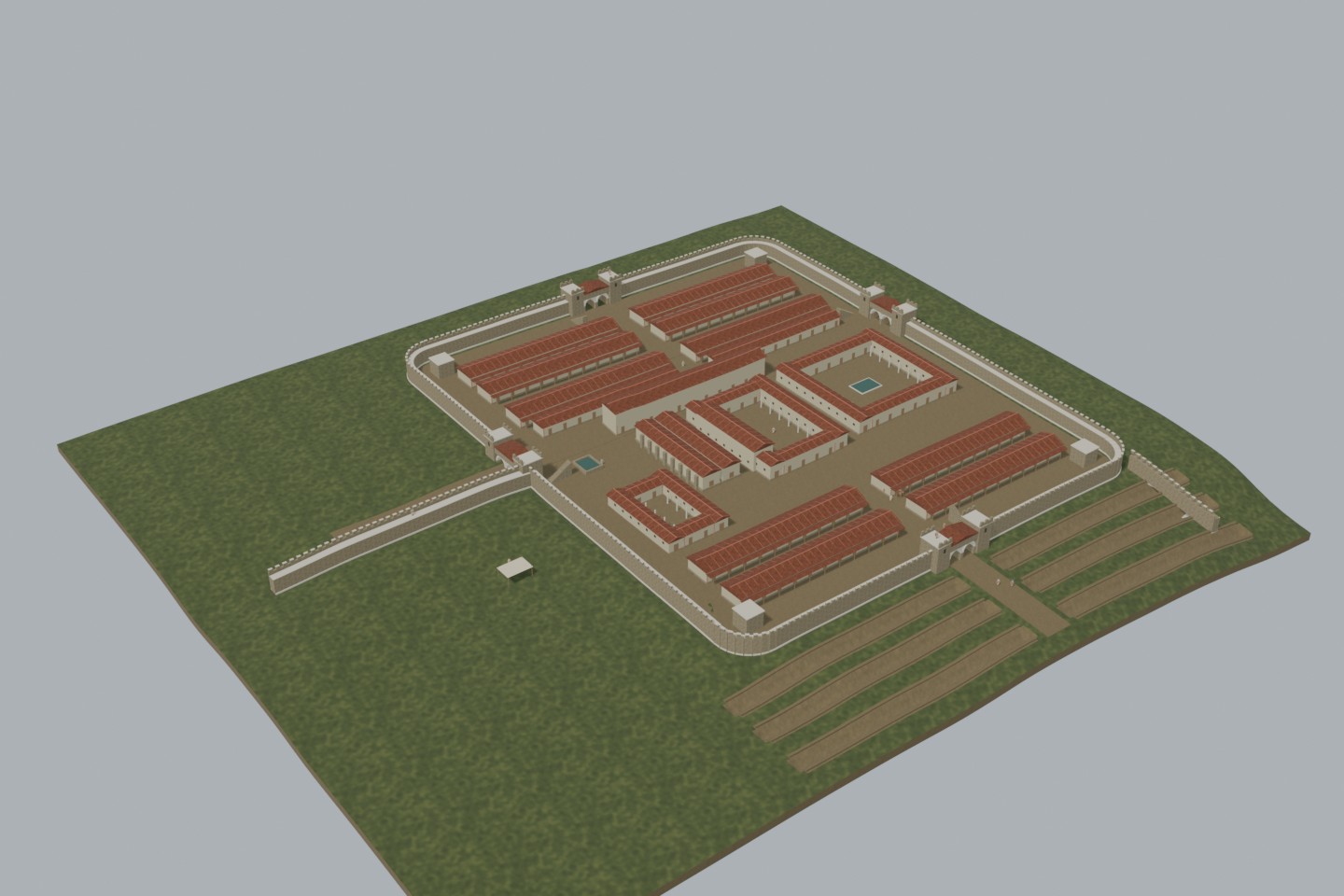 Newcastle Around AD 200 · Wallsend’s Roman fort
Explore the reconstructed Roman fort at Wallsend: four gateways, barracks, courtyards and a 65-metre reach of Hadrian’s Wall, with a short southern branch.
Explore in 3D ↗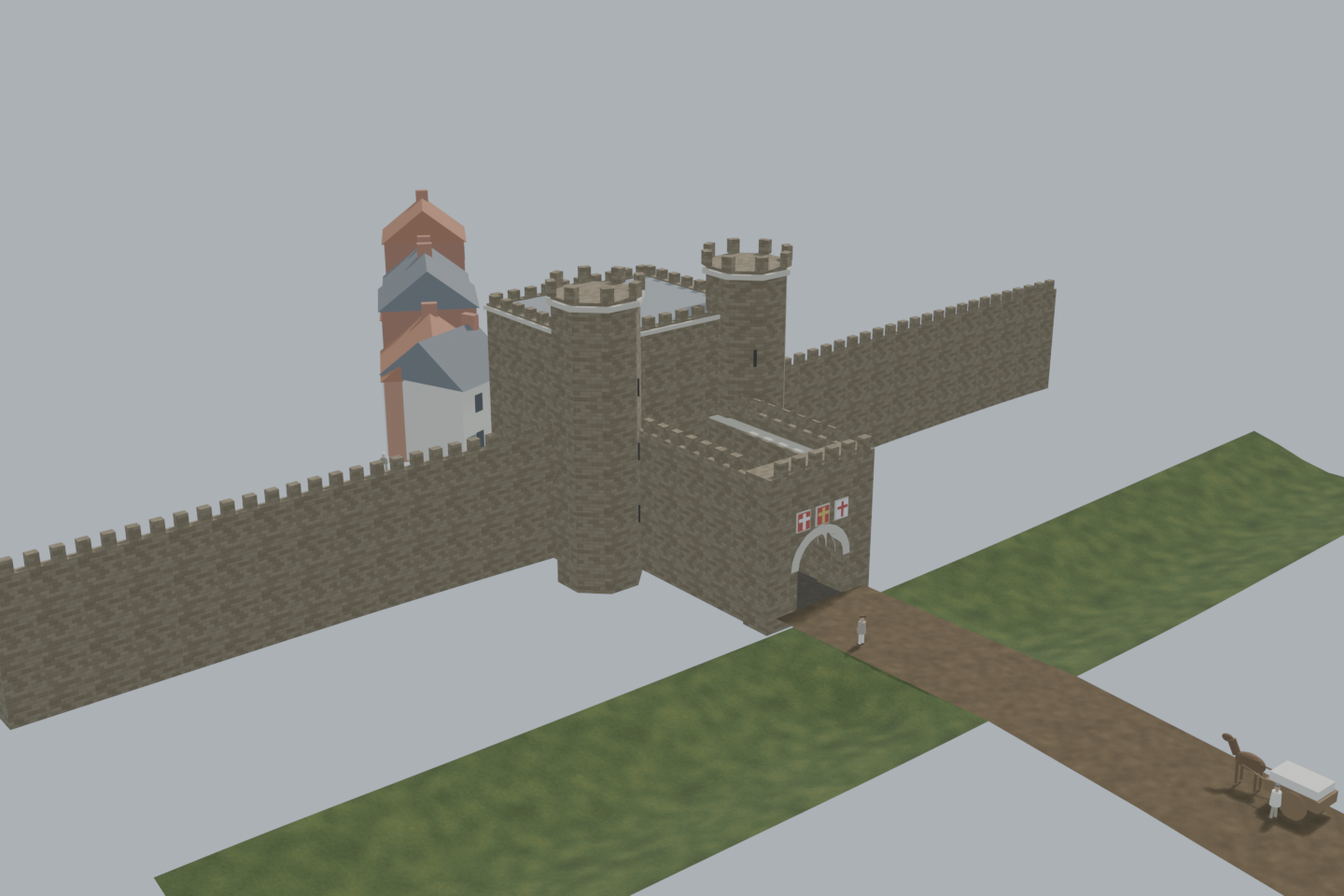 Newcastle Around 1740 · the gate as the town gaol
The largest gate of Newcastle's town wall, where Newgate Street meets Gallowgate and Blackett Street today: a three-storey tower with octagonal corner turrets facing north, a barbican in front of it, the town wall running off on either side, and King James I in his niche over the town-side arch. From 1399 until 1822 the gate was the town gaol; it was pulled down in 1823 and Blackett Street was laid out along the line of the wall.
Explore in 3D ↗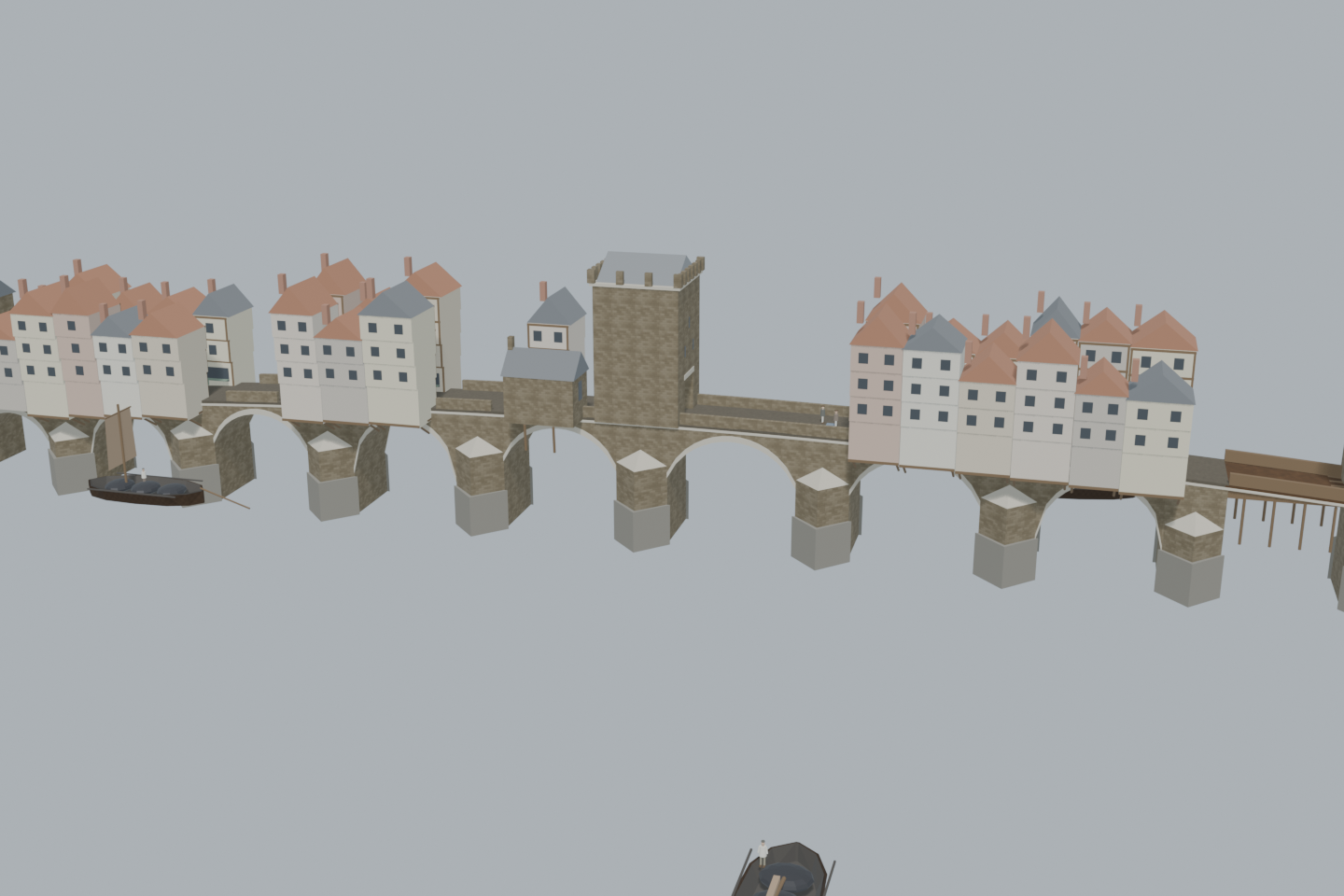 Newcastle Around 1740 · thirty years before the Great Flood
The medieval stone bridge between Newcastle and Gateshead as it stood in the generation before the flood of November 1771 swept it away: ten arches of different sizes, a street of timber houses and shops along it, the Great Tower in the middle, the Blue Stone where Newcastle's part ended and the Bishop of Durham's began, and the Magazine Gate at the Newcastle end with King Charles II in Roman dress. Keels pass under the Keelmen's Arch with their masts lowered. It stood where the Swing Bridge stands today.
Explore in 3D ↗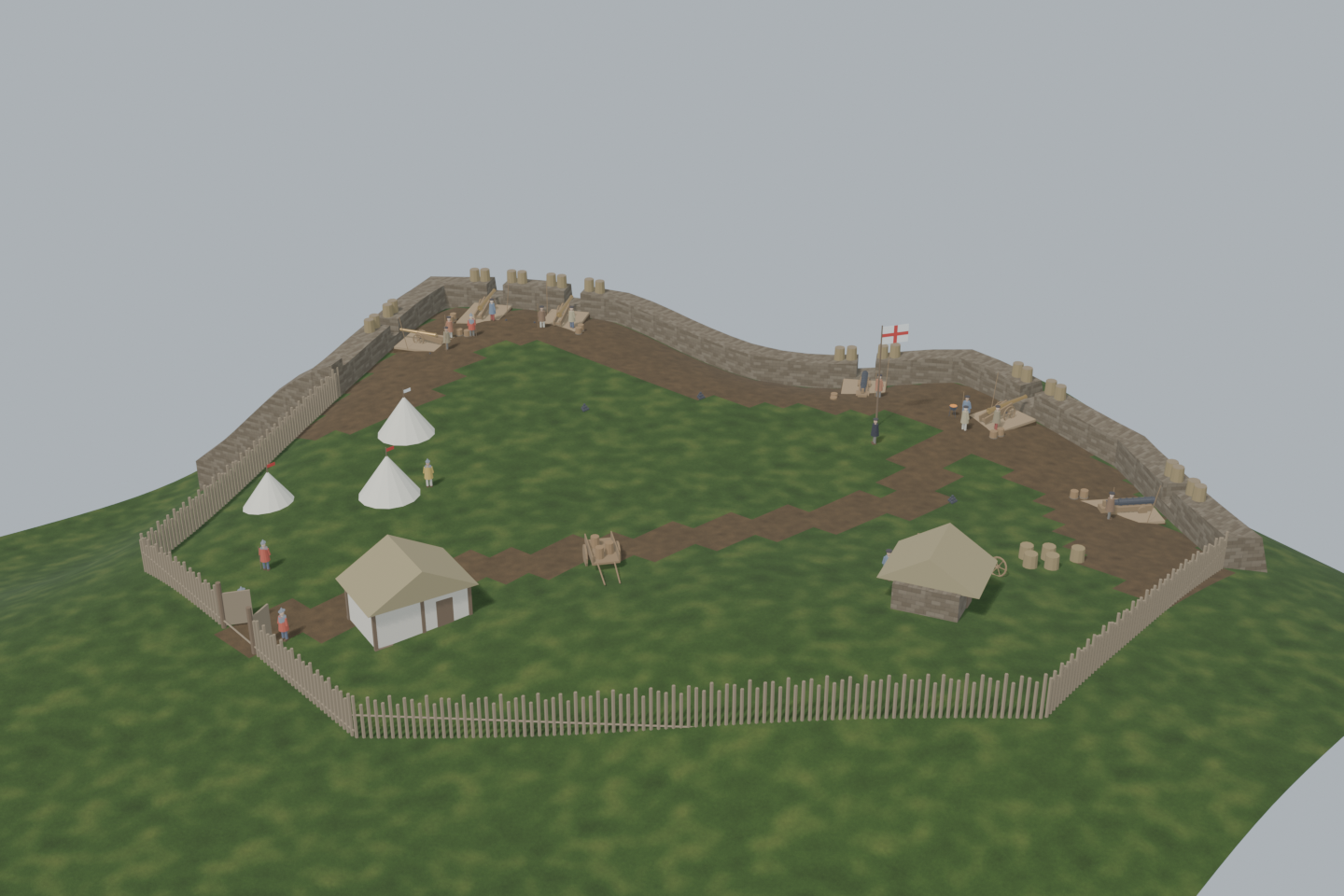 Newcastle 1545 · the new battery at the mouth of the Tyne
In 1545 Henry VIII had a gun battery built on the low promontory south of Tynemouth Castle, where the Spanish Battery Car Park is today, so that guns could cover the mouth of the Tyne while his fleet gathered in the river for the war with Scotland. Tradition says its guns were served by Spanish soldiers in the king's pay, and the place has been the Spanish Battery ever since. This scene stands the battery on the car park: a low stone parapet with gabions on the crest of the promontory, bronze culverins and iron port pieces in its embrasures, the gunners and the Spanish garrison, and the wall going on towards the castle.
Explore in 3D ↗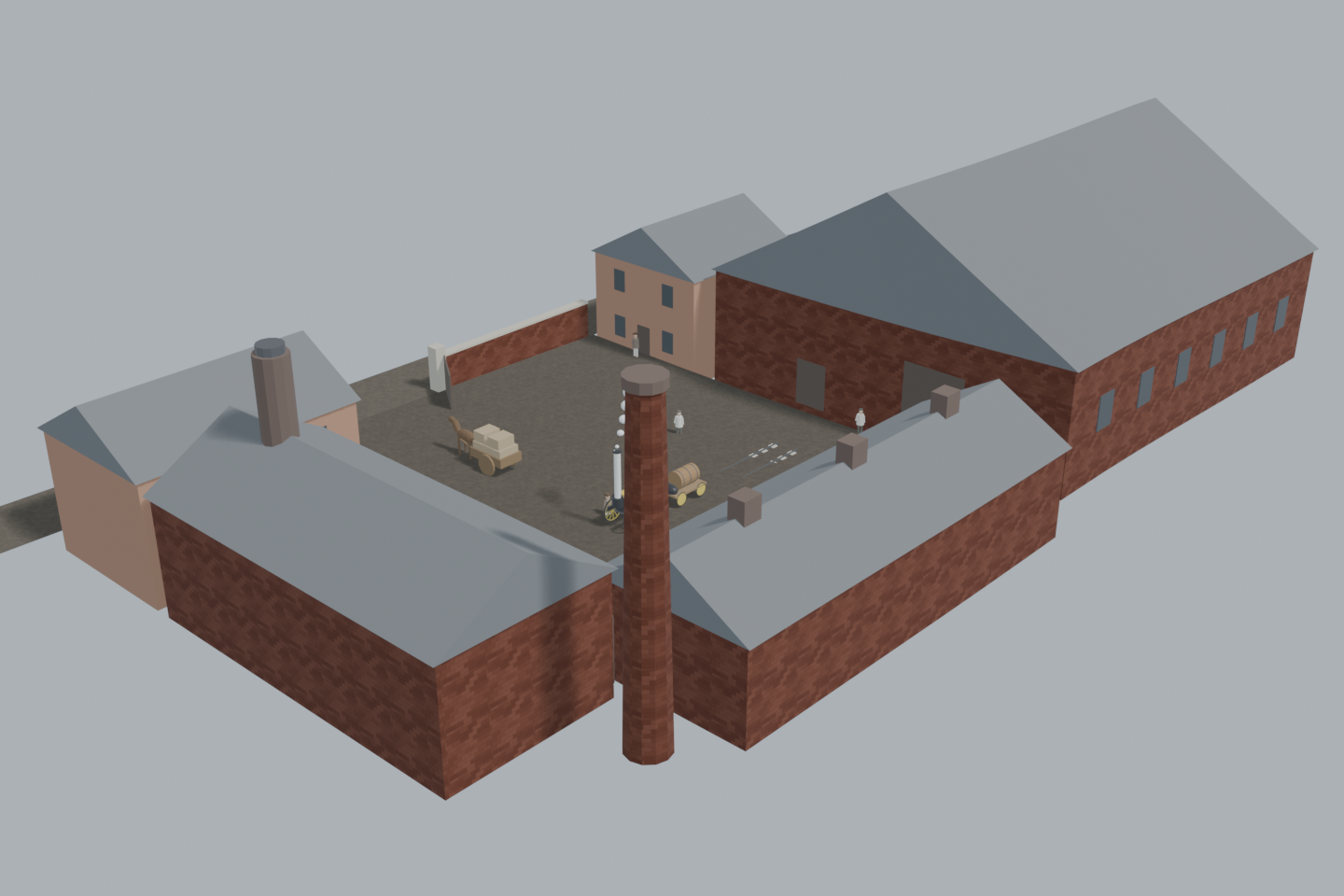 Newcastle September 1829 · Rocket before Rainhill
Robert Stephenson and Company's works on South Street, the first locomotive works in the world, in the weeks when Rocket was finished: the engine in steam in the yard with its tender, the long erecting shop, the smithy and the foundry with their chimneys, the counting house on South Street, and a heavy horse wagon waiting to take the engine, in pieces, to Carlisle for the voyage to Liverpool and the Rainhill Trials. The works' boiler shop still stands on the site as a music venue, the Boiler Shop.
Explore in 3D ↗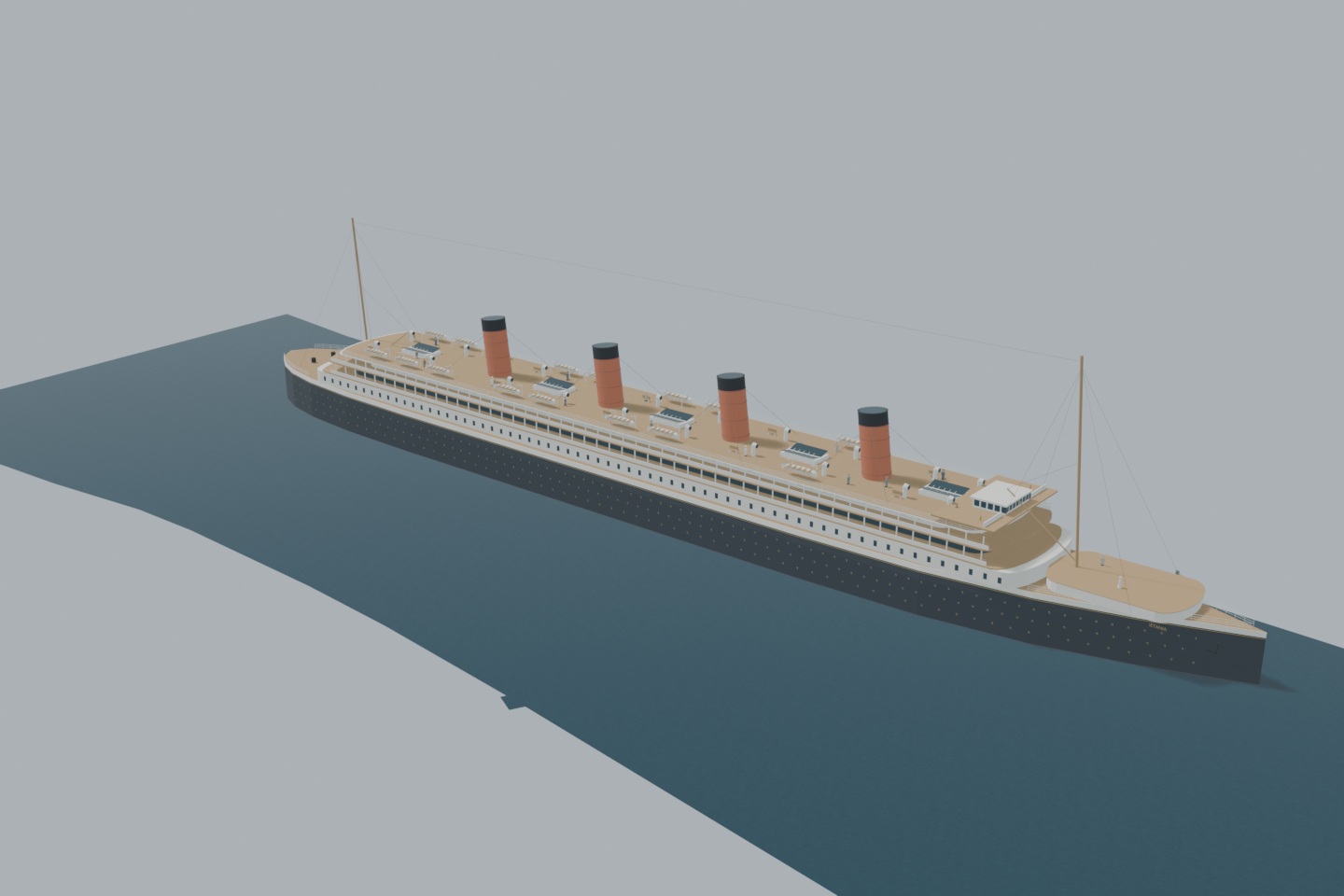 Newcastle 1907 appearance · an imagined Quayside berth
Meet the elegant four-funnel liner built at Wallsend: black hull, cream promenades, red funnels and a busy boat deck. This full-size interpretation is placed at an imagined berth between Newcastle’s Tyne Bridge and Millennium Bridge. Compare the view beside the water with the view down from Tyne Bridge.
Explore in 3D ↗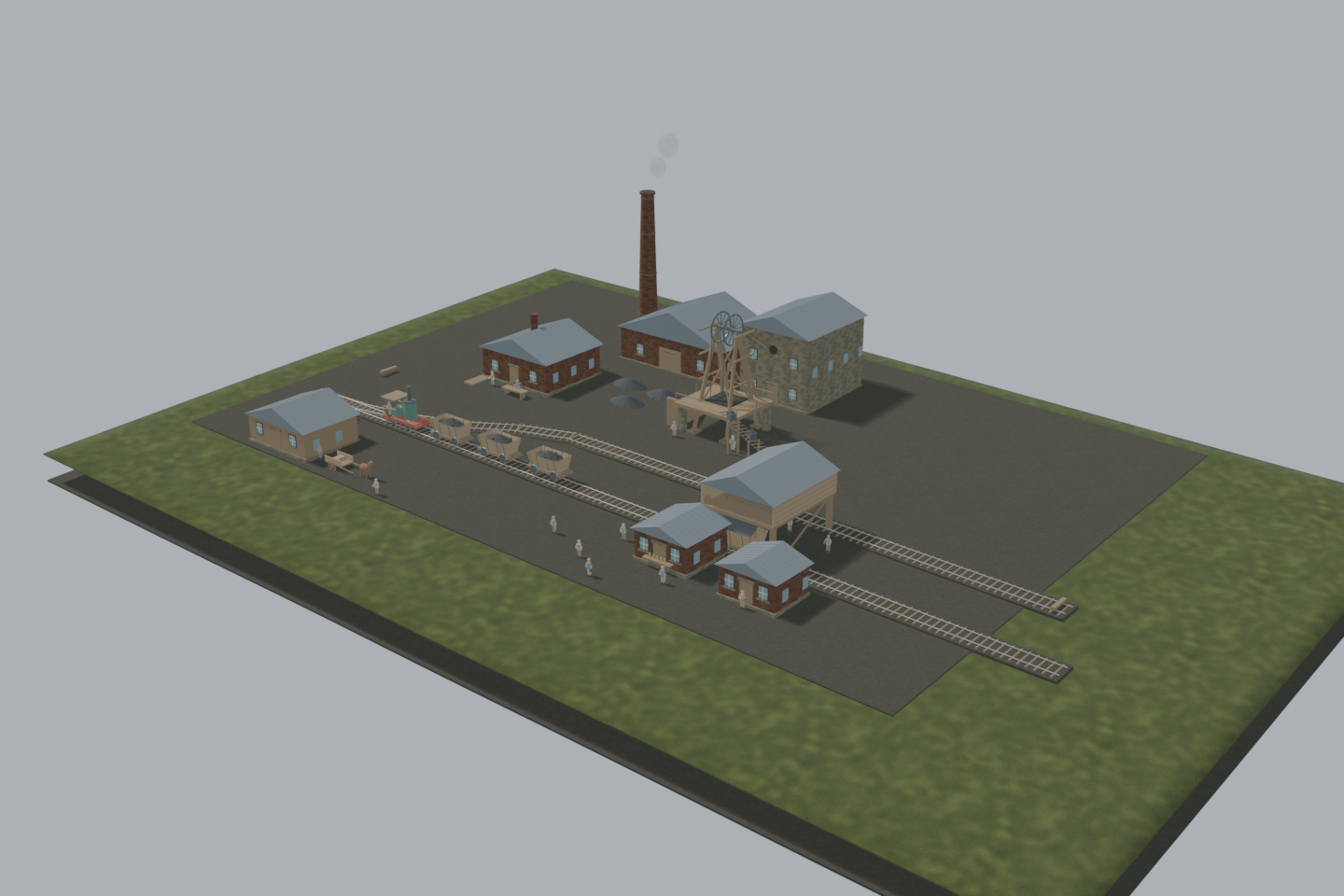 Test location Newcastle Around 1880 · an imagined North East colliery
Coal was the "black diamond" of the Victorian North East. Step into an imagined colliery around 1880: winding wheels turning over the shaft, steam and brick, coal pouring through the screens into wagons, a little shunting engine and the miners of the day shift. The pit is invented — no mine is recorded at this field.
Explore in 3D ↗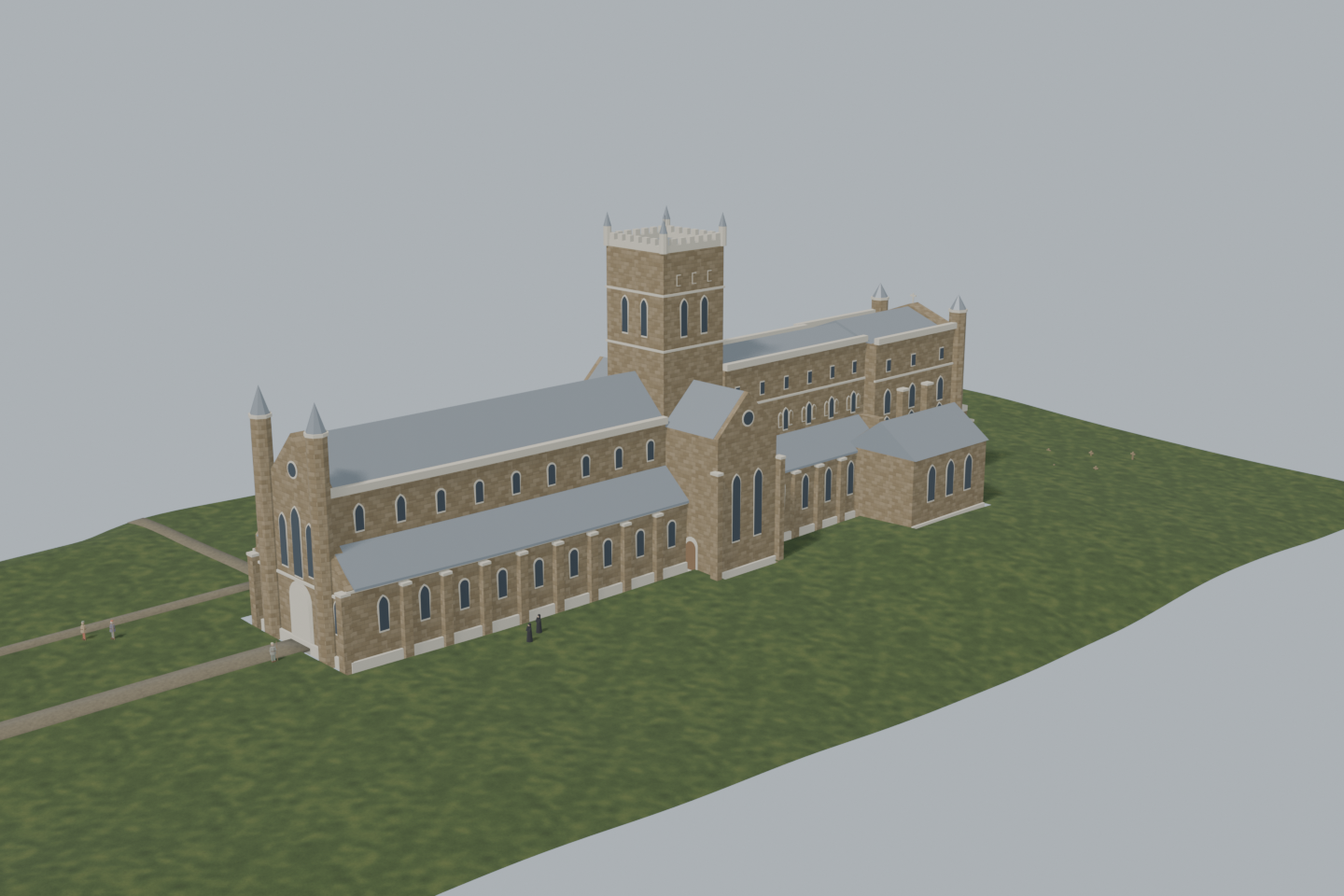 Newcastle Around 1500 · the Benedictine priory church
The priory church of St Mary and St Oswin on Tynemouth headland as it stood before 1539: the parish nave, the crossing tower, the tall lancet east end of St Oswin's presbytery with its upper chamber, the Lady chapel and the Percy Chantry. It can be seen from inside the grounds and from the Spanish Battery and Sea Banks car parks.
Explore in 3D ↗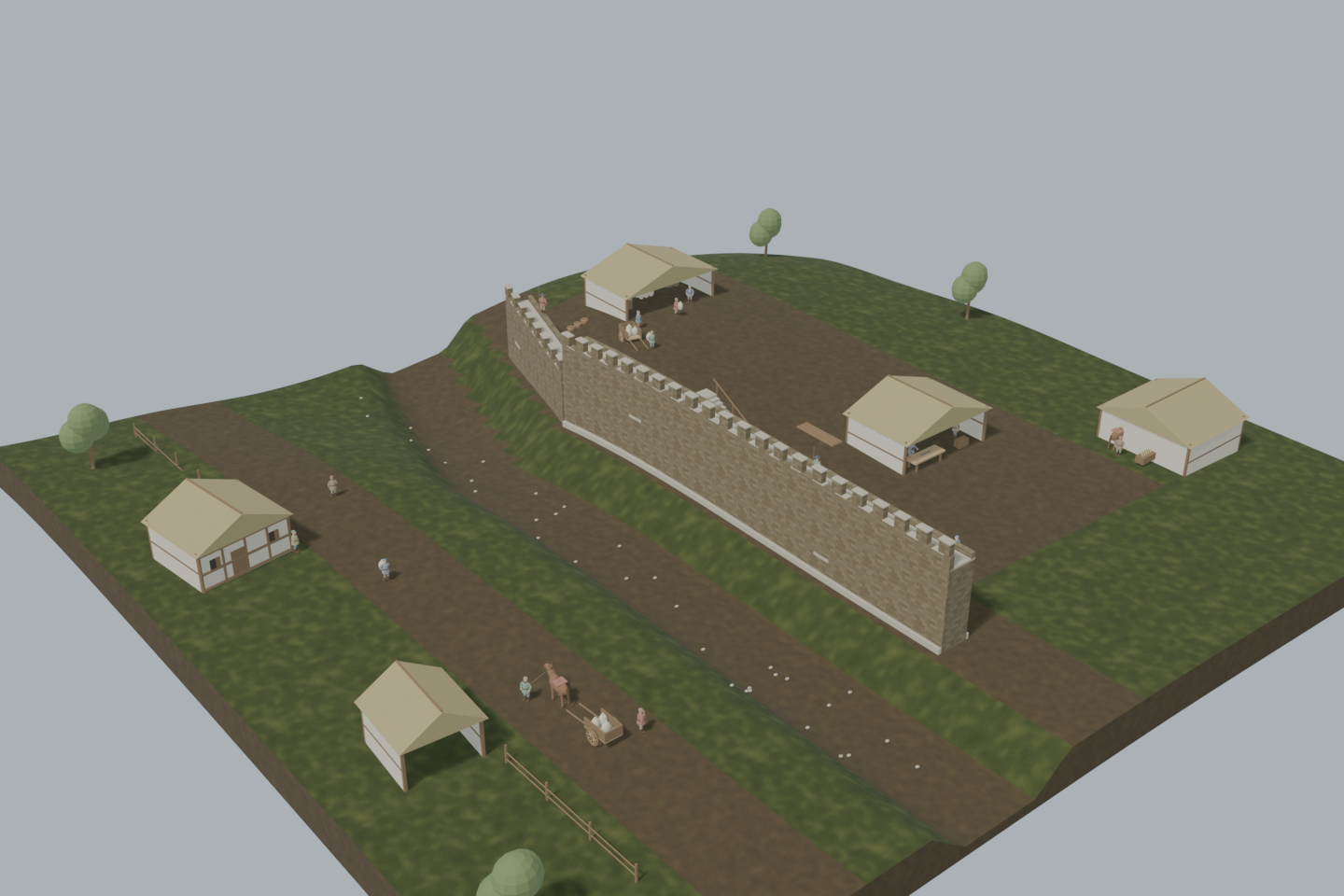 Newcastle Around 1300 · a lost wall and life on either side
A 55.8-metre stretch of the vanished western curtain, with a delivery on the outer road, a working bailey inside, and guards on the wall walk.
Explore in 3D ↗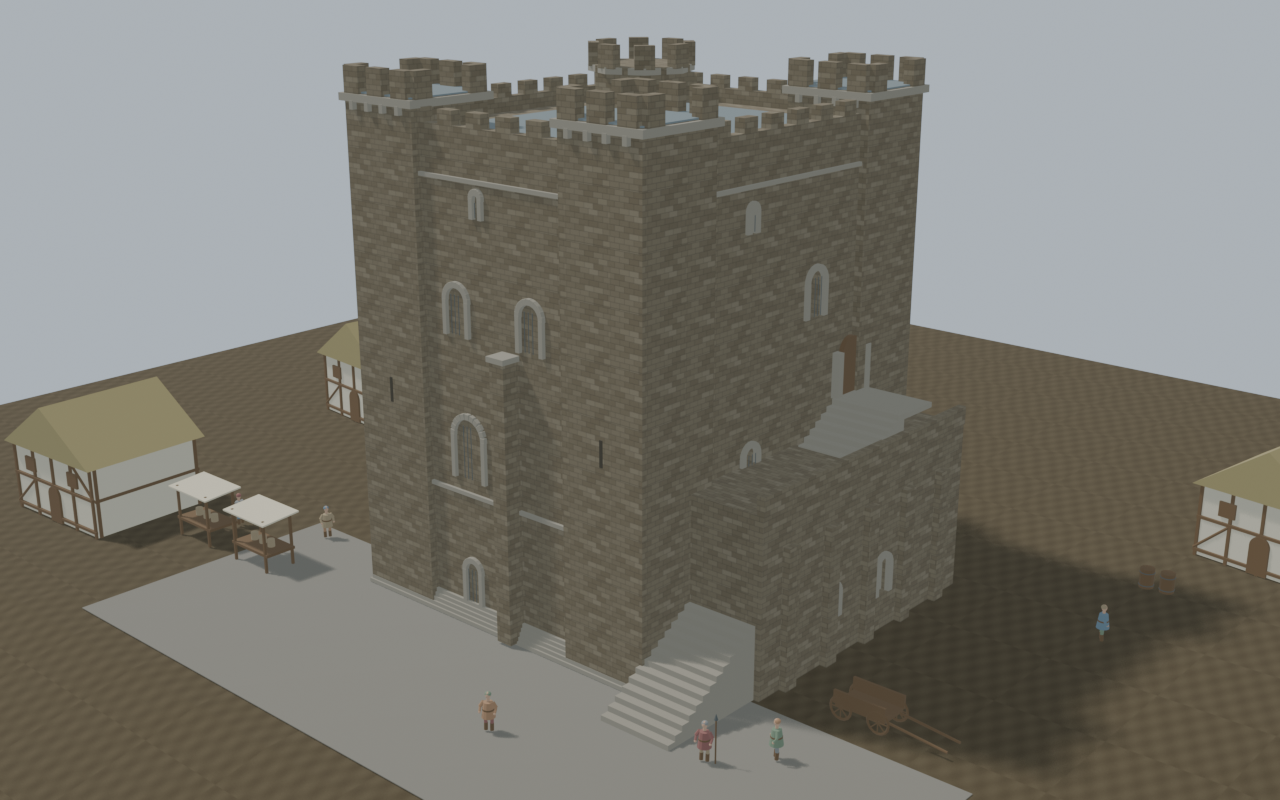 Newcastle A medieval setting · exterior study
Explore the Norman keep with its eastern stair building, a small medieval setting, market props and adult figures for scale.
Explore in 3D ↗
