Cairn British History Quest
Remembrance
Remembrance

Every November Britain remembers those who died in war. Poppies grew on the churned-up battlefields of Flanders, and at eleven o'clock on 11 November 1918 the guns of the First World War fell silent.

The day the guns fell silent →

Newcastle as it was: a morning with PastView

Newcastle as it was: a morning with PastView

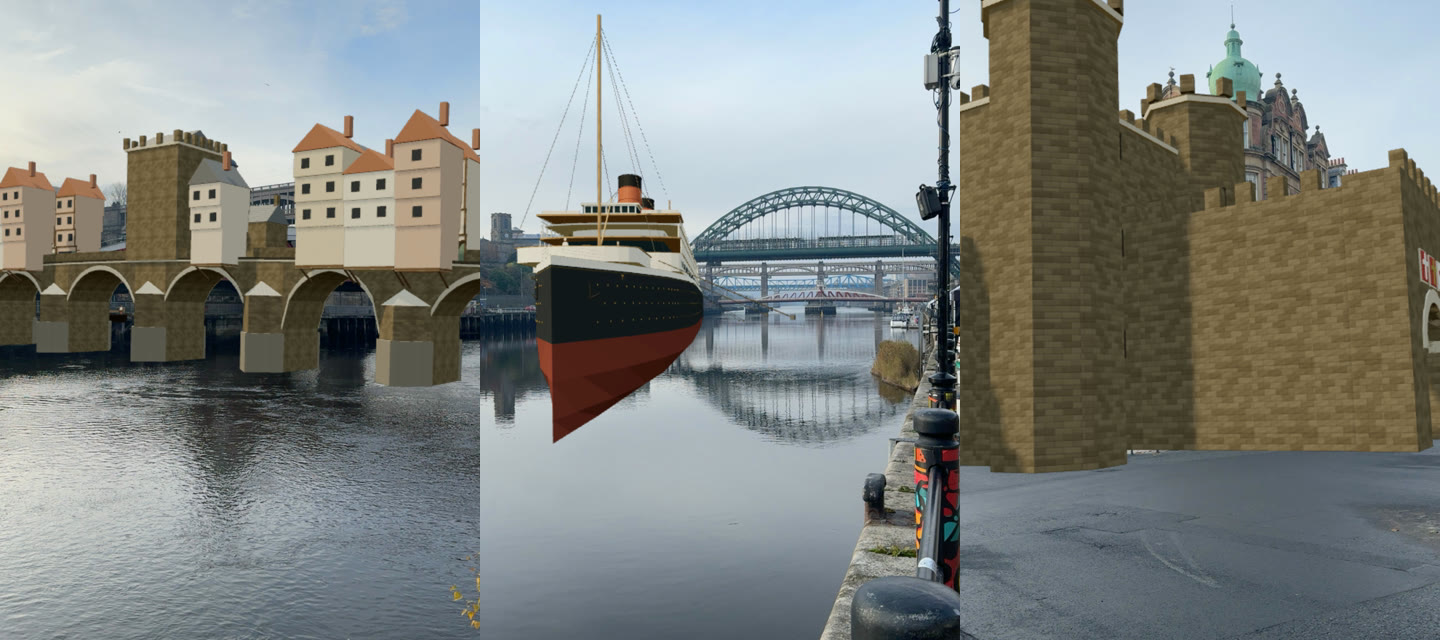
On a cold Saturday morning in November we took Cairn round Newcastle with one question: does PastView hold up on a real street, with real traffic, real wind and real people walking through the picture? Four stops, forty minutes, eleven screen recordings and some thirty photos later, the answer is yes. This post is what we saw.

Every camera picture below is a real screenshot from an ordinary iPhone, taken on the spot. Nothing was painted in afterwards.
Continue Reading ...

PastView: see lost Newcastle in augmented reality

PastView: see lost Newcastle in augmented reality

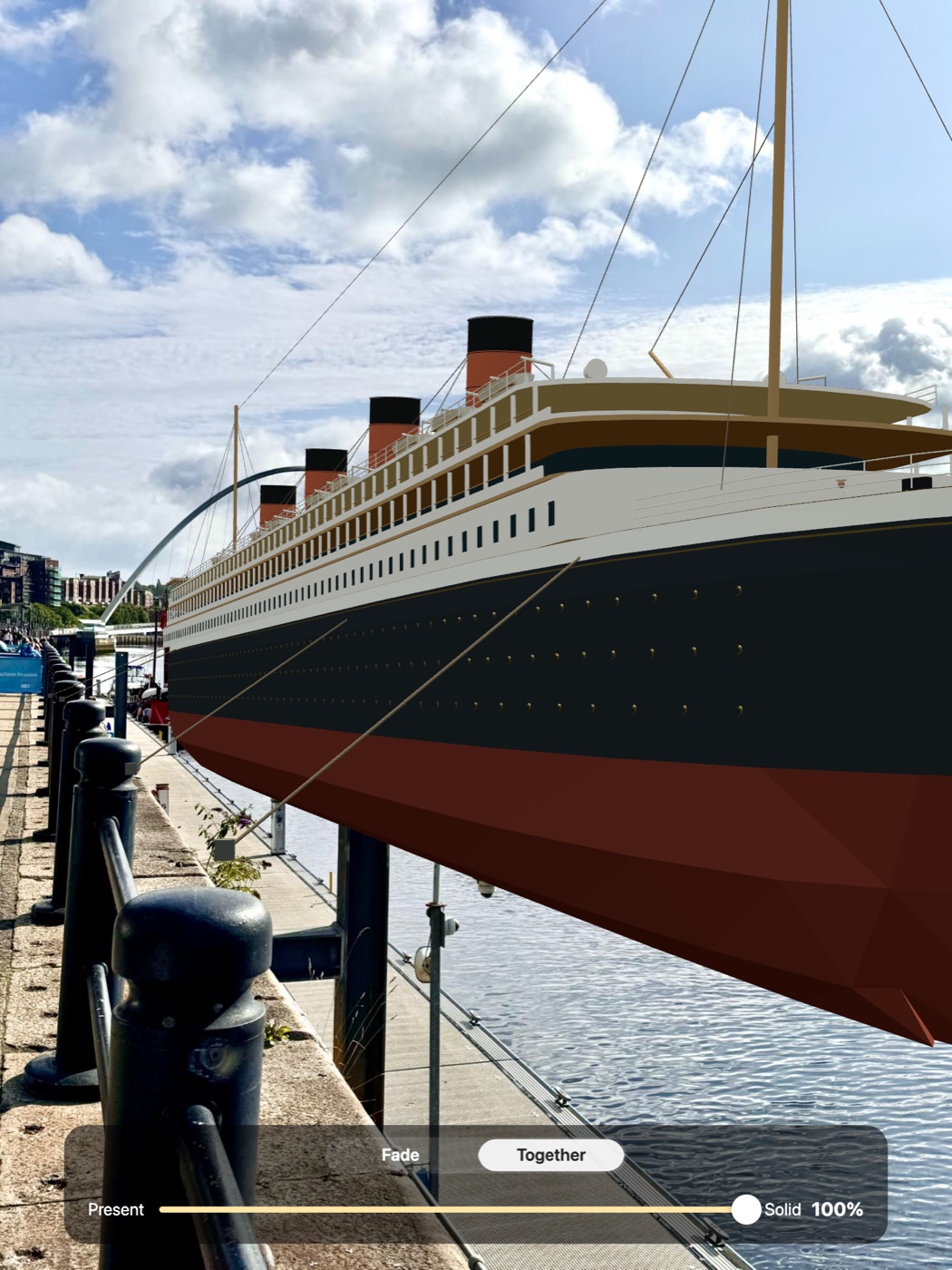
Cairn Quest started as a small side project about British history, built by a software developer who lives near Newcastle. It runs on the web and in apps for Android and iPhone. Its newest feature is PastView: 3D reconstructions of historic places, shown in augmented reality on the spot where they once stood. Some of the buildings and ships in it no longer exist at all.

Stand on the Quayside, raise the phone, and the RMS Mauretania is moored beside you again, the Millennium Bridge behind her bow.

Continue Reading ...

26 October 1863: a meeting that changed football

On 26 October 1863, representatives of football clubs gathered at the Freemasons’ Tavern in Great Queen Street, London. They founded the Football Association, with the aim of establishing a common code for a game played in competing local forms. The FA’s history records the meeting and its purpose.

One of the organisers was Ebenezer Cobb Morley, a solicitor and founder of Barnes Football Club. He argued that football needed agreed rules, as cricket already had.

This was the beginning of a process, rather than the invention of every modern rule in a single evening. The association’s formation gave clubs a forum in which to debate how the game should be played. A tavern meeting became a turning point in the organisation of association football.

Continue Reading ...

5 November 1605: the Gunpowder Plot is discovered

In the early hours of 5 November 1605, Guy Fawkes was discovered guarding gunpowder in an undercroft beneath the House of Lords. The conspirators intended to destroy the building during the State Opening of Parliament, killing James I and those assembled with him. Historic Royal Palaces describes the discovery.

Fawkes was one member of a group led by Robert Catesby. An anonymous warning delivered to Lord Monteagle helped prompt the searches that exposed the plot. Parliament’s account places the conspiracy in the religious and political tensions of the period.

The date survives in Britain’s bonfire traditions, but the historical event was a failed political assassination attempt. Reading the evidence helps separate the people and decisions of 1605 from the later customs surrounding Bonfire Night.

Continue Reading ...

11 November 1918: the guns fall silent on the Western Front

At 11am on 11 November 1918, the armistice between Germany and the Allies took effect on the Western Front. After years of industrial warfare, the ceasefire ended the fighting there. The Imperial War Museums gallery guide explains this turning point.

That day, Prime Minister David Lloyd George informed the House of Commons that an armistice had been signed. His statement survives in Hansard, allowing readers to encounter the news as Parliament received it.

An armistice is an agreement to stop fighting, rather than a final peace settlement. The distinction matters: 11 November is a central date of remembrance, but it should not erase the conflicts and upheavals that continued elsewhere after the Western Front fell silent.

Continue Reading ...

17 November 1558: Elizabeth I becomes queen

On 17 November 1558, Mary I died and her half-sister Elizabeth became queen of England. Elizabeth was at Hatfield when she learned of her accession. Historic Royal Palaces recounts the beginning of her reign.

The familiar story places Elizabeth beneath an oak tree when the news arrived. That detail belongs to tradition; it should not be confused with a securely documented scene or treated as a surviving eyewitness account.

Accession and coronation were separate events. Elizabeth became queen in November 1558, while her coronation took place in January 1559. Remembering that distinction helps make sense of royal dates: a reign begins when the crown passes, rather than when a later ceremony marks the change.

Continue Reading ...